Social interactions play a crucial role in the overall health of individuals, especially for the elderly residing in aged care facilities. As people age, their social networks commonly shrink due to factors such as retirement, the loss of friends and family, or relocating to care facilities. The imperative of cultivating an environment that encourages socialisation in these settings is paramount, impacting not just the mental and emotional health of residents but also their physical health.
Introducing Hellenic Aged Care
Hellenic Aged Care is known as the top elderly care facility in Perth, characterized by its steadfast commitment to providing excellent care and a supportive community environment for its residents. Renowned for its excellent facilities, compassionate staff, and comprehensive care programs, Hellenic Aged Care ensures that every aspect of resident life is addressed with utmost professionalism and empathy. This section highlights why it is seen as the best in the region, offering a blend of quality medical care, enriching activities, and a warm, welcoming atmosphere that makes it a prime selection for families in search of the best for their loved ones.
Enhancing Mental and Emotional Well-being
Engaging helps combat loneliness and isolation, which are prevalent issues among the elderly. Frequent interaction with peers in a care setting can lead to significant improvements in mood and mental health, lowering symptoms of depression and anxiety. Participating in conversations and social activities can provide a sense of belonging and purpose, elevating residents' overall happiness and satisfaction with life.
Cognitive Benefits
Interacting socially not only promotes social connections but also has a beneficial effect on the brain. Being involved in meaningful conversations and social activities activates cognitive functions, aiding in the maintenance of memory and thinking skills. Research has shown that socialisation can reduce the progression of cognitive decline, including conditions like dementia and Alzheimer's disease. This cognitive stimulation extends beyond mere conversations; group activities such as games, reading clubs, and cultural events all play a part in keeping the mind engaged.
Physical Health Advantages
Social activity delivers direct and indirect benefits to physical health. Elderly individuals who are more socially active tend to be more physically active as well, which improves their mobility and physical fitness. Additionally, social engagement is linked to better outcomes in various health measures, including lower blood pressure, decreased risk of cardiovascular problems, and a stronger immune system. Encouragement to participate in group exercises and other physical activities contributes to better overall health and a decreased risk of many chronic conditions.
Improved Quality of Care
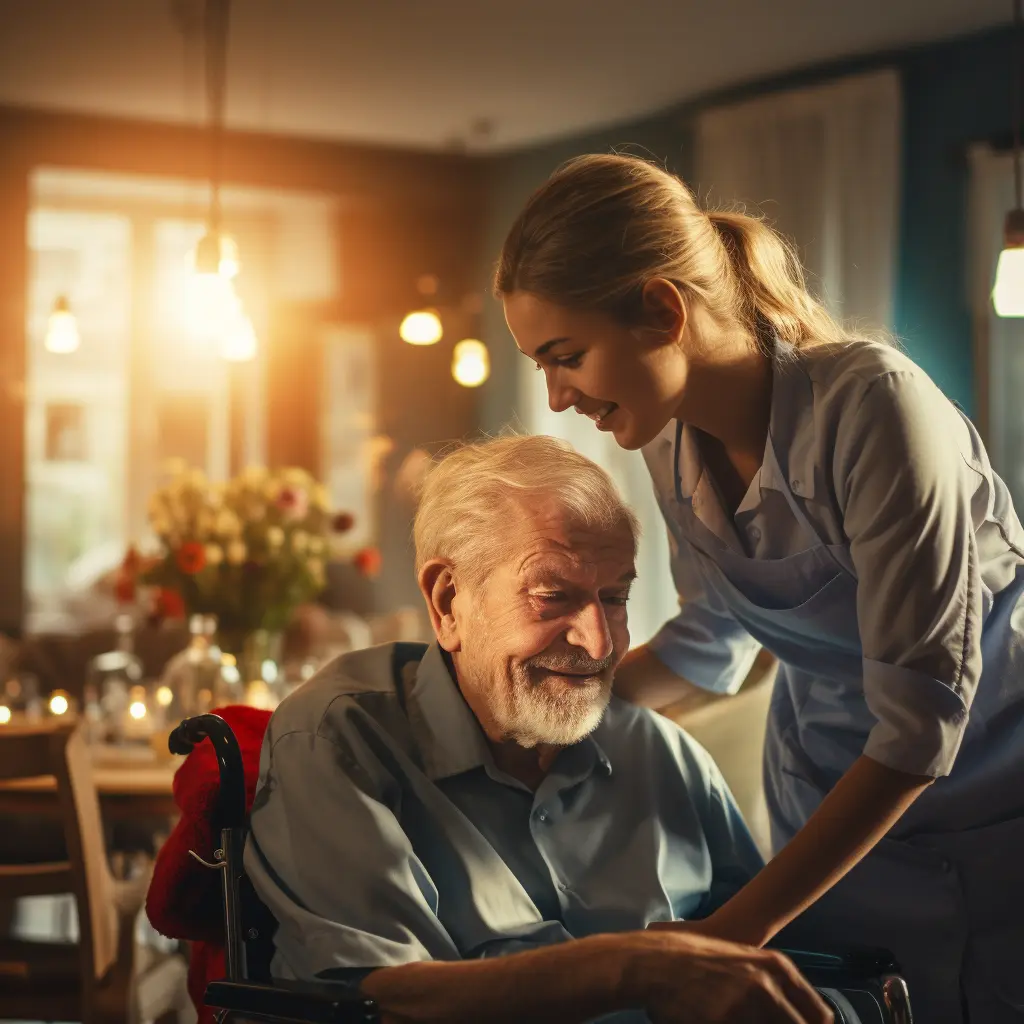
When elderly individuals are socially active, they are more likely to express their needs and concerns, leading to improved care. Social interactions with staff and other residents help forge trust and facilitate easier care assessment and meeting of health and emotional needs by caregivers. This enhanced communication ensures that the care provided is more tailored and effective.
Longevity and Life Satisfaction
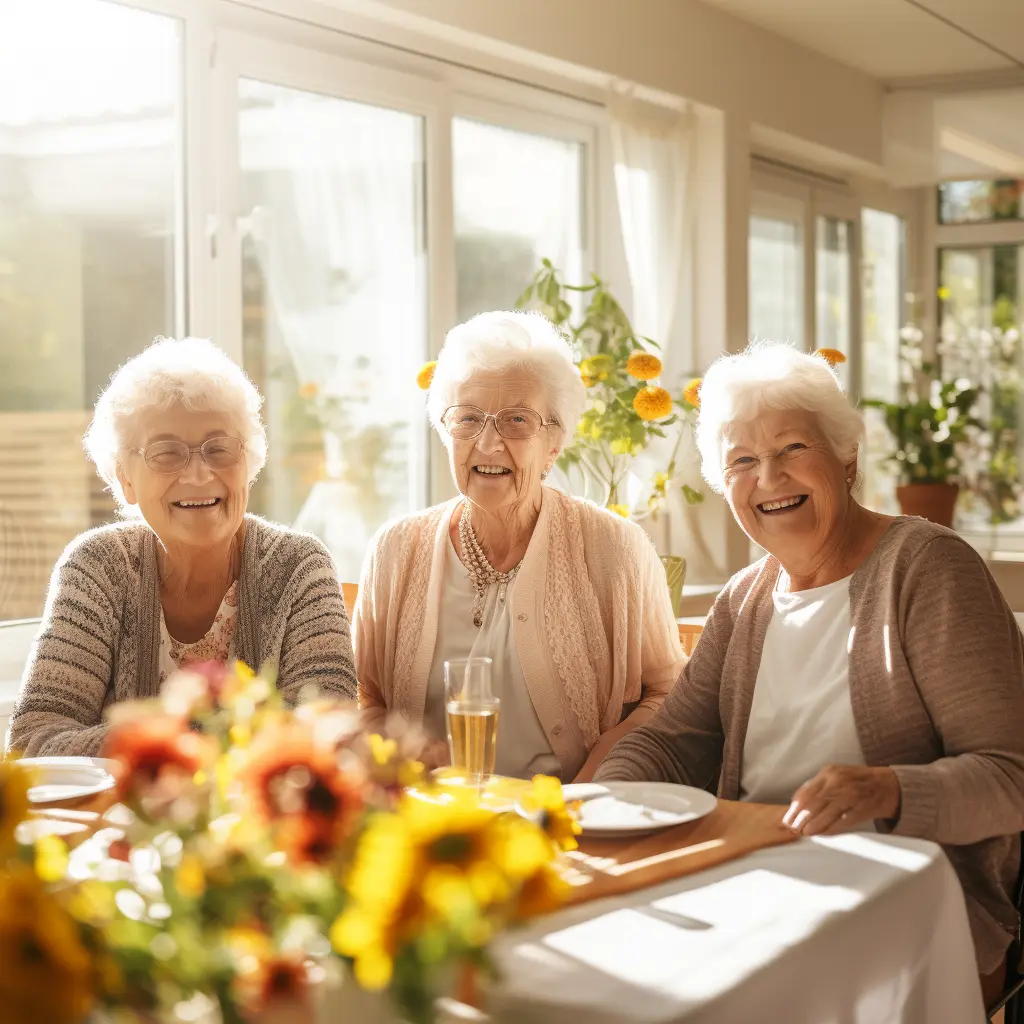
Active social life often leads to better overall well-being, which can increase longevity. Having a network of peers provides emotional support, reduces stress, and fosters a sense of security and safety. All these factors contribute to increased life satisfaction and, ultimately, a longer lifespan.
Conclusion
Fostering socialisation in aged care facilities is not just about providing entertainment; it is a crucial component of comprehensive care that influences every aspect Aged Care Perth of a resident's life. Facilities that prioritize creating a vibrant, interactive community help their residents not only to live longer but to enjoy a higher quality of life. The integration of regular social activities, communal dining areas, and open, welcoming communal spaces are crucial strategies in fostering an environment where every resident can thrive. The benefits of socialisation for the elderly are profound and multifaceted, making it an integral part of the care provided in aged care facilities.